

Shoulder Surgery -
Post Operative Exercises
Preparing for Post-Operative Recovery
Before undergoing any major surgery, it is well advised to prepare yourself for the journey ahead. Your surgeon will talk you through the procedure, but it is up to you to ensure that you are ready to return home after the surgery.
It is important to have someone drive you home, and possibly stay with you for the first night back, just in case there are any unexpected complications.
You are likely to experience stiffness, bruising, and swelling, so it is best to keep your shoulder as still as possible in the healing process.
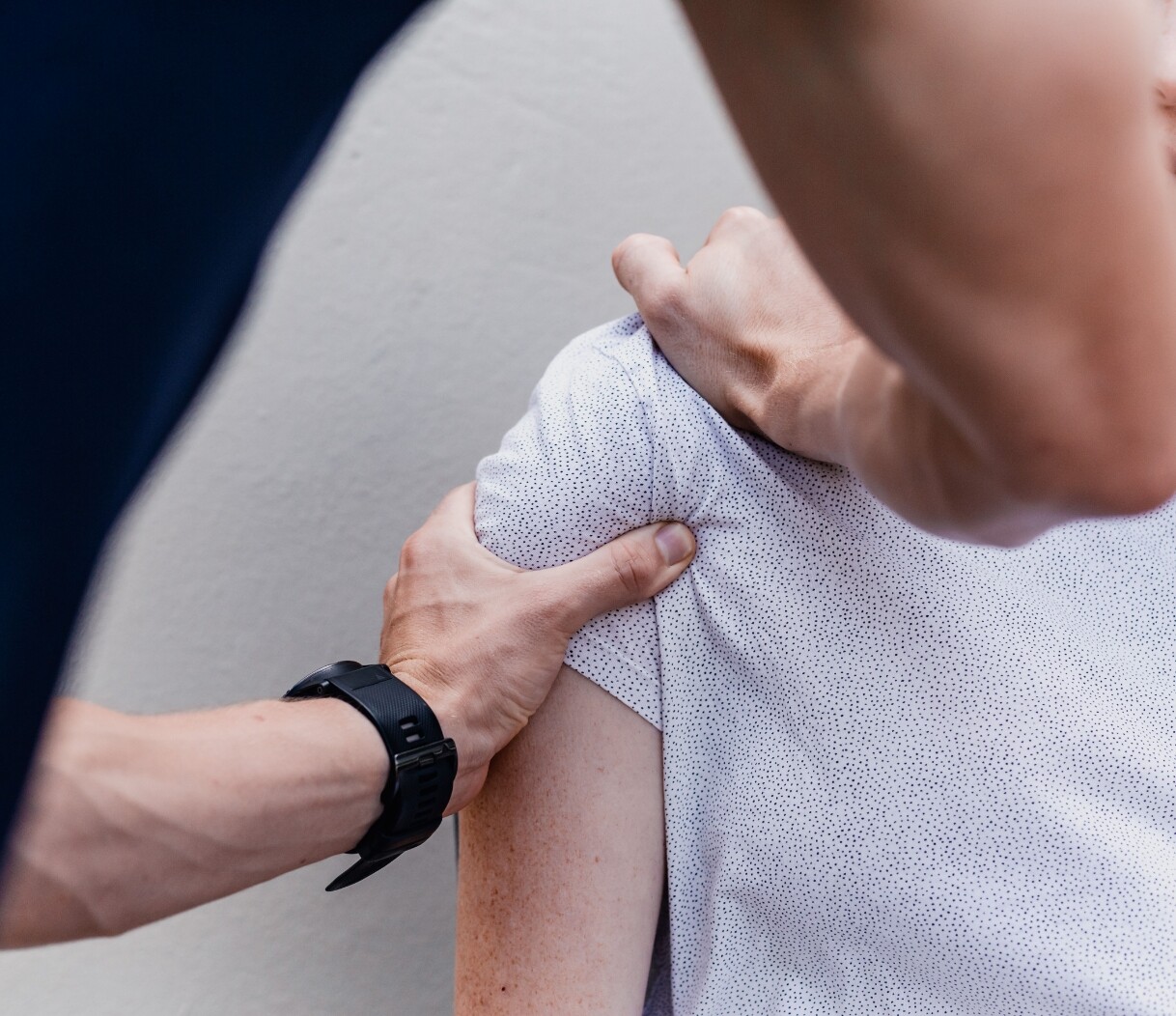
The stages of rehabilitation
A full recovery from shoulder surgery may take as long as 6 months, and it is essential that you don’t rush the recovery, give your shoulder adequate opportunity to heal, and not to undertake any exercises without the instruction of your physiotherapist.
Don’t get physical too soon.
Start with passive physical therapy. Working with your physio, you can commence your rehab with gentle assisted exercises to regain movement and mobility in the arm.
Let physio work for you.
To protect the soft tissue around the shoulder, it is important to work with a physiotherapist during the rehab process. They will keep the shoulder in position, and prevent long term damage.
Follow correct exercise regime.
Don’t rush the process, and take your time before conducting any overhead exercises.
Be patient.
Once you’ve regained full use of the elbow, you should continue working with your physio to prevent further injuries.
Exercises
It is best to start all post-operative exercises with the support and guidance of your physical therapist. The following are effective techniques used to restore your shoulder function.
Assisted shoulder elevation
To be performed either lying down or sitting down, assisted shoulder elevation exercises involve the holding of hands above the head, and keeping the elbows as straight as possible. Keep your arms up for 10 – 20 seconds, and then lower them slowly.
This can be repeated 10 – 20 times, and you can increase the elevation of the arms over time, as your pain permits.
Complete exercises three times a day.
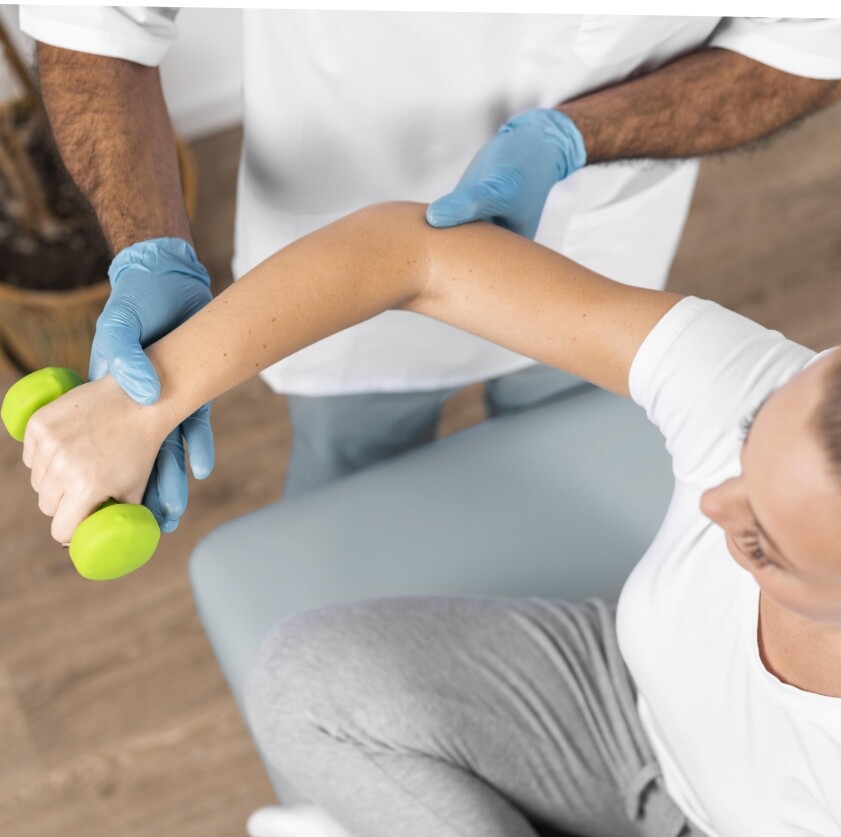
Rotator Cuff Strength
In a standing position, hold hands behind your back, then stretch them out as much as possible, and lift them up and down to slowly add pressure to your shoulders.
Pulley exercises
There are 7 pulley exercises, and they can be performed while seated or standing. Use your own comfort level as a guide, and hold each stretch for ten seconds.
External Rotation
- Side-lying external rotation exercise
- Seated external rotation exercise
- Shoulder external rotation isometric (Static hold)
- Standing banded row exercise
- Seated Cuban rotation
- Standing Cuban rotation
Forward elevation
Exercise can be conducted sitting or standing, and involves the clasping of hands, and then lifting arms above the head, whilst keeping the elbows as straight as possible.
Maintain the position for 10-20 seconds, and slowly lower the arms.
Internal rotation
Internal rotation exercises can be performed seated or lying down.
-
- Lie down on a firm surface with your elbows to the side.
- Using the hand on the side of the injured shoulder, and using a small weight, bend the arm 90 degrees away from the body.
- Hold, and return arm, hold again, and repeat.
Reaching exercises
In the seated position, move arms forwards, and straighten them as much as you can. Then use one arm at a time, to reach, as if trying to pick up something. Repeat with more pressure, as pain allows.
Posterior capsular stretches
Strengthening exercises with a rubber band.
Internal rotation
While lying down on the affected shoulder, you bend your shoulder 90 degrees, and lift a small weight when bringing the arm back to its original position.
Repeat the action, and change sides if you’re able to.
Shoulder adduction
Put a small cushion between your arm and chest, and squeeze, and hold for 10 seconds.
Repeat this action for ten times, three times a day.
Here are a few tips to help you recover at home.
- Talk to your doctor about what pain medication they can recommend.
- Wear loose fitting clothing.
- *Set up your bed so that you sleep on the opposite side of the affected shoulder, or sleep on your back. Keep your arm in the sling when sleeping.
- Have an ice pack on hand to reduce pain and inflammation.
- Make sure your home is set up for your return.
- Get a shower set-up with a removable shower head. This will help you stay clean, and keep your dressing dry.
- A pump action soap and shampoo container will make showering easier.
- Keep an eye out for complications. Contact your doctor if you notice a yellow discharge, experience numbness or tingling, if you are in severe pain, or if you have a high fever.
- Don’t drive for up to 6 weeks after surgery.
Shoulder Arthroscopy FAQ Post Operative Exercises
Shoulder Conditions
Browse the links below for more information on specific shoulder conditions, including the main causes, symptoms and treatments.
Shoulder Arthritis
Shoulder arthritis can cause deep joint pain, stiffness, grinding and reduced movement. It may affect the main ball and socket joint or the smaller AC joint at the top of the shoulder. Treatment could include physiotherapy, medication, injections and surgery.
Shoulder Instability
A shoulder that repeatedly slips, gives way or dislocates may have chronic instability. This can develop after a previous dislocation or from loose supporting tissues. Treatment may include rehabilitation or surgery based on the injury and level of instability.
Shoulder Fractures
A shoulder fracture can involve the upper arm bone, collarbone or shoulder blade. Falls, sports injuries, cycling accidents and direct impacts are common causes. Some fractures heal with a sling and rehabilitation, though displaced or unstable fractures may require surgery.
Frozen Shoulder
Frozen shoulder causes progressive pain and stiffness as the capsule around the shoulder joint tightens. Daily tasks such as dressing, washing your hair or reaching behind your back become difficult. Treatment may include physiotherapy, injections or hydrodilatation, and surgery.
Shoulder Replacement
Shoulder replacement is considered for severe arthritis, some complex fractures or shoulder damage linked with a poorly functioning rotator cuff. Different forms of replacement are used for different shoulder problems, including anatomic and reverse shoulder replacement.
Shoulder Dislocation
A shoulder dislocation happens when the upper arm bone moves out of the socket, usually during sport, a fall or other traumatic injury. After the shoulder is relocated, further review may be needed to assess ligament, labral or bone damage and the risk of another dislocation.
Rotator Cuff Injuries
The rotator cuff is a group of muscles and tendons that helps lift and rotate the arm. Problems can include tendinitis, bursitis and partial or full-thickness tendon tears. Common signs include pain when raising the arm, weakness, difficulty reaching behind your back and pain when lying on the affected shoulder.
Bursitis and Impingement
Bursitis and impingement can cause pain around the front or side of the shoulder, especially when lifting the arm overhead or sleeping on the affected side. Non-surgical treatments are guided, though shoulder arthroscopy may be discussed for cases where symptoms continue.
Shoulder Treatments and Surgery
Surgical Shoulder Procedures and Treatments
Surgery may be discussed if symptoms remain limiting, there is significant damage or an injury needs repair. Procedures performed for shoulder conditions can include:
- Arthroscopic keyhole surgery
- Arthroscopic debridement
- Subacromial decompression (acromioplasty)
- Rotator cuff repair
- Labral or Bankart repair
- Biceps tenodesis or tenotomy
- AC joint excision
- Capsular release
- Tendon transfer
- Shoulder stabilisation surgery
- Fracture fixation
- Shoulder replacement
If Dr James McLean recommends a procedure, this will be based on the condition, examination and imaging findings and explained clearly before any decisions need to be made.
Non-Surgical Shoulder Treatments
Many shoulder conditions do not need surgery. Non-surgical treatment may include:
- Activity changes
- Physiotherapy and rehabilitation
- Medication where suitable
- Corticosteroid injections
- Hydrodilatation for frozen shoulder
- Manipulation under anaesthesia (MUA) for frozen shoulder
- Monitoring and repeat imaging

Common Shoulder Injuries
Browse the links below for more information on common shoulder injuries, including the main causes, symptoms and treatments.
Biceps Tenotomy
A procedure to relieve pain by releasing the long head of the biceps tendon from its attachment to the shoulder.
Suprascapular Nerve Release
Surgical relief of nerve compression in the shoulder to alleviate pain and restore function.
Labral (Bankart) Repair for Instability
Reconstructive surgery to address shoulder dislocation by repairing the torn labrum.
Subacromial Decompression
A minimally invasive surgery to increase space in the shoulder joint, easing movement and reducing pain.
Post-Operative Shoulder Exercises
Tailored rehabilitation activities designed to strengthen the shoulder and improve the range of motion after surgery.
Biceps Tenodesis
Surgically anchoring the biceps tendon to a stable location to alleviate symptoms associated with tendon tears or inflammation.
Latarjet Procedure for Instability
A surgical technique that transfers a piece of bone to the shoulder socket, providing stability and preventing dislocation.
Shoulder Arthroscopy – Acromioclavicular Joint Excision
Key-hole surgery to remove a small piece of the clavicle, relieving pain from arthritis or impingement.
Shoulder Arthroscopy – Animation
Visualisation technique using animation to demonstrate how arthroscopic shoulder surgery is performed.
Shoulder Arthroscopy – SLAP Repair
Repair of a SLAP lesion, which is a tear of the rim of the shoulder socket where the biceps tendon attaches.
Tendon Transfer for Massive Rotator Cuff Tears
Reconstructive surgery where a tendon is transferred to compensate for irreparable rotator cuff damage.
Scapulothoracic Arthroscopy
Depending on the type and severity of your shoulder injury, surgery might be the best option. Dr James McLean specialises in minimally invasive arthroscopic (key-hole) surgery. His aim is to get you the best possible outcome, taking into account your lifestyle, general health and family situation. Before surgery, Dr McLean will guide you through the process and address any concerns you have.
If you have a sports injury or other shoulder condition, it is best to act quickly. Delaying treatment can cause permanent damage and reduce the potential for a full recovery.
Call our friendly team on 08 7077 0101 to make an appointment or use our handy online booking service. Consultations are available in Dulwich (SA), Bedford Park (SA) and Elizabeth Vale (SA).
How Dr James McLean can help
Dr James McLean is an orthopaedic surgeon providing consultations and various treatments for a wide variety of shoulder conditions in Adelaide.
With his extensive experience in treating upper limb conditions, he works with his patients to create tailored treatment plans which yield the best possible outcomes for their injuries.
Click here for more information on other conditions involving the shoulder, hand, wrist, and elbow which Dr James McLean has a special interest in treating.
Once you have a referral…
Book your consultation here.